What does daily life look like when you want lake access, more open space, and a practical route into the Twin Cities? If Orono is on your radar, you are probably looking for more than just a home. You are looking for a setting that feels connected to the outdoors while still keeping everyday life manageable. This guide walks you through what living in Orono, MN can actually feel like, from the shoreline and trails to commuting and nearby services. Let’s dive in.
Orono Lifestyle at a Glance
Orono offers a small-town setting with strong ties to Lake Minnetonka and easy access to the broader west metro. The city describes itself as only minutes from downtown Minneapolis, but the lake and natural landscape tend to shape daily life more than anything else.
This is a place where water, wooded areas, and open space are part of the rhythm of the week. At the same time, your routine will likely still involve driving for many errands, dining, and commuting. That mix is a big part of Orono’s appeal.
Lake Minnetonka Shapes Daily Life
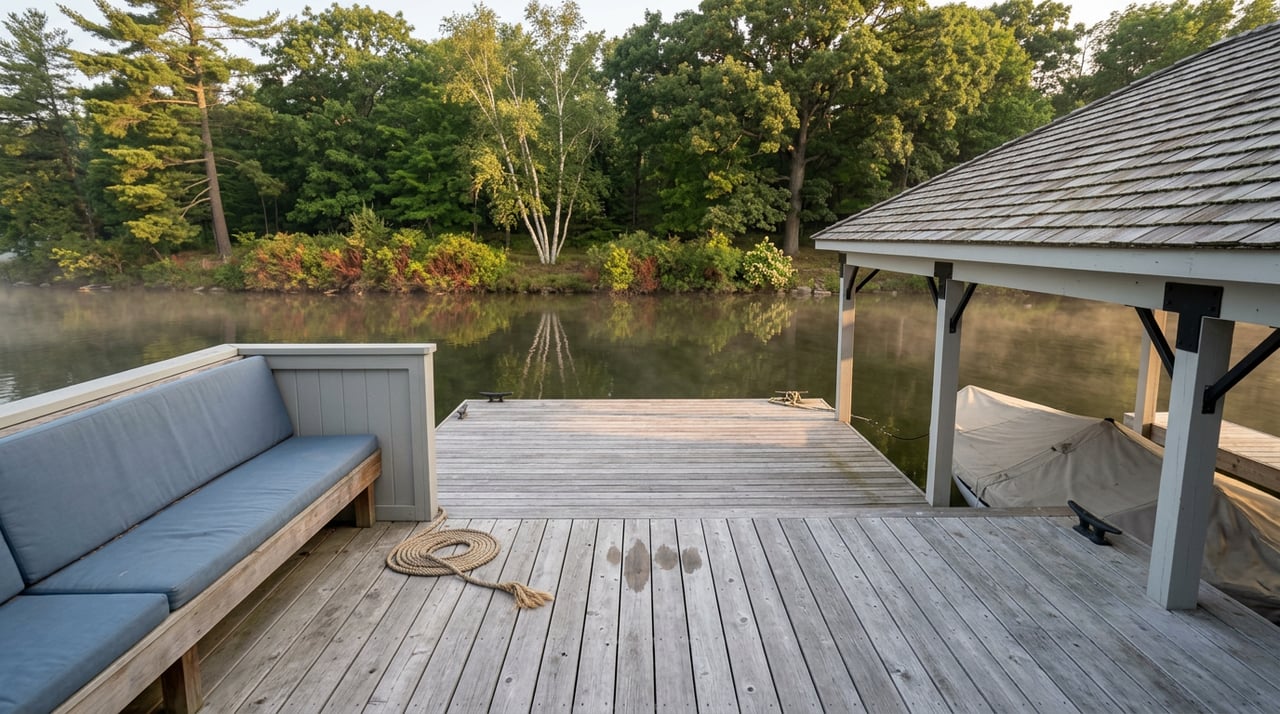
Lake Minnetonka is a major part of what makes Orono distinct. According to the city, Orono has about 40 miles of shoreline on the lake, and the Minnesota Department of Natural Resources says Lake Minnetonka covers more than 14,000 acres, making it the largest lake in the Twin Cities metro.
That means the lake is not just a backdrop. It affects how people spend weekends, where they go for seasonal recreation, and how different parts of the city feel. If you are drawn to boating, fishing, beach access, or simply being near the water, Orono delivers that setting in a very real way.
Public Lake Access in Orono
One of the most useful things to understand about Orono is that public lake access exists, but it is spread across different types of sites. Rather than one large waterfront destination, access tends to be more neighborhood-scaled.
The city identifies public beaches at Casco Beach, Lydiard Beach, Sandy Beach, and Summit Beach Park. There are also public boat launches at Maxwell Bay and North Arm, along with fishing piers or platforms at Coffee Channel, Maxwell Bay, and North Arm.
Summit Beach Park adds a few practical amenities, including a dock, picnic tables, a 10-stall parking lot, and seasonal toilets. These details matter if you are trying to picture what a casual summer outing may look like.
What Lake Access Feels Like
Orono’s transportation plan notes that shoreline access corridors vary quite a bit. Many are between 16 and 66 feet wide, some function as beaches or winter access points, and many have limited or no designated parking.
In everyday terms, that means the lakefront can feel accessible without feeling overly built up. It also means access points may be smaller and more modest than you might expect if you are used to a single large public waterfront.
Expect Busy Times at Popular Access Points
The city also points to larger public facilities such as DNR Maxwell Bay Access and Hennepin County North Arm Access. Because Lake Minnetonka is heavily used year-round, busy conditions at launch and access points during peak times are a practical consideration.
If lake recreation is high on your list, it helps to think not just about whether access exists, but how you want to use it. Some buyers love being close to multiple smaller access points, while others may prioritize direct lakefront ownership or a location that makes boat launching easier.
Parks and Open Space Add Breathing Room
Beyond the shoreline, Orono has a strong parks and nature component. The city maintains more than 260 acres of parks, trails, and open space, including athletic fields, playgrounds, a golf course, beaches, and lake access points.
That variety gives you options across seasons and age groups. You can enjoy a casual walk, spend time at a park with children, visit a natural area, or use a trail connection for recreation closer to home.
Notable Natural Areas
Orono’s park and trail system includes places like Big Island Nature Park, French Creek Preserve, Saga Hill Preserve, Lurton Off-Leash Dog Park, and Seven Nations Park. These spaces help reinforce the city’s nature-forward identity.
Seven Nations Natural Area is a good example. The city says the site was donated to help educate the community about Native Americans and early Orono settlers, and it includes parking, benches, and mowed walking trails.
Regional Trails Extend the Outdoor Lifestyle
For many buyers, regional trail access is one of Orono’s most underrated strengths. The city’s comprehensive plan identifies the Luce Line, Dakota, and Lake Independence regional trails within Orono.
That broadens the lifestyle picture beyond local parks. You are not limited to short neighborhood paths. You also have access to longer regional routes that support biking, walking, and seasonal outdoor use.
Dakota Rail Trail in Winter
The Dakota Rail Regional Trail is especially notable. Three Rivers Park District describes it as a 13.5-mile paved route that runs through Orono, and it is plowed in Orono during winter.
That is a meaningful detail if you value year-round trail use. In a Minnesota climate, winter maintenance can make the difference between a trail that is occasionally useful and one that becomes part of your routine.
Trail Connections Within the City
The city also says its trail plan is intended to connect homes to recreation areas, Navarre, and downtown Long Lake. That matters if you want recreation options close to home, even in a community where commercial destinations are more spread out.
For many residents, these trail links support lifestyle more than daily transportation. They add flexibility and enjoyment to the week, even if most errands still happen by car.
Bigger Outdoor Outings Are Close By
If you want even more room to explore, Baker Park Reserve adds another layer to the Orono lifestyle. Three Rivers Park District says this nearby regional park includes 2,700 acres on Lake Independence, 12.5 miles of trails, paddling, camping, and winter activities.
That kind of access can be a major plus if you want variety without driving far. It gives you a nearby option for larger outdoor outings that feel more immersive than a quick neighborhood walk.
Commuting and Getting Around Orono
Orono combines natural beauty with practical access, but it is important to understand how transportation works here. The city’s transportation plan says the network includes personal vehicles, freight, walking, and bicycling.
In practice, Orono is largely car-oriented. That is not unusual for a community with a spread-out development pattern, lake geography, and concentrated commercial nodes.
Key Roads to Know
US Highway 12 is the principal arterial in the city. County Road 15 serves as the primary minor arterial for commuter traffic through southern Orono.
The city also identifies a Ring Route concept using County Roads 19 and 6 via McCulley Road as a relatively direct alternative across the area. If you are comparing different parts of Orono, road access can shape how convenient a location feels on a day-to-day basis.
Is Orono Walkable?
The city’s transportation plan says the current walking and biking network is limited as a transportation system. It also notes that the city’s development pattern is better suited to bicycling than walking because homes and commercial areas are spread apart.
That helps set realistic expectations. Orono offers excellent recreational appeal, but if you want a village-style setup where most errands happen on foot, this is generally not that kind of place.
Access to Minneapolis
Even with that more driving-oriented pattern, Orono remains well placed for broader regional access. The city says it is only minutes from downtown Minneapolis, and its transportation plan supports park-and-ride use where local transit is not feasible.
For many buyers, that creates a useful balance. You can enjoy a lake-and-nature setting while keeping work, dining, and city access within reach.
Where Residents Go for Dining and Errands
Another important part of living in Orono is understanding where daily services are concentrated. Rather than one dense downtown at the center of the city, commercial activity is spread among a few nearby nodes.
That can work well if you do not mind driving short distances for errands and meals. It also gives you options depending on which side of Orono you live in.
Navarre as a Main Commercial Area
Orono’s land-use plan says Navarre will remain the city’s major commercial center, with neighborhood retail, service businesses, and professional offices. The city also identifies lakeshore commercial areas that support lake-user service businesses such as marinas.
This pattern fits Orono’s overall character. Commercial uses are present and practical, but they are concentrated rather than evenly distributed throughout the city.
Long Lake and Wayzata Expand Your Options
Long Lake adds another nearby destination for everyday needs. Its official business resources describe a village commercial district intended to support retail, restaurants, personal services, medical and dental clinics, veterinary clinics, and professional offices.
Wayzata is another practical option. The city says its downtown includes specialty shops, boutiques, professional services, and restaurants, along with ongoing efforts to improve lakefront access while supporting downtown commerce.
What That Means for Daily Living
Taken together, these patterns suggest that Orono residents often split errands, dining, and services among Navarre, Long Lake, and Wayzata. That setup can feel very convenient once you know your go-to spots.
It also reinforces the idea that Orono is more about space, scenery, and residential lifestyle than a one-stop downtown experience. For many buyers, that is exactly the point.
Who Often Loves Living in Orono
Orono can be a strong fit if you want a residential setting shaped by lake access, trails, and open space. It may also appeal to you if you value proximity to Lake Minnetonka and want practical access to nearby communities for shopping, dining, and services.
You may especially appreciate Orono if your ideal week includes time on the water, walks in natural areas, bike rides on regional trails, and a quieter home setting that still connects well to the west metro. The lifestyle here often feels more spread out and place-driven than urban or highly walkable suburban environments.
Final Thoughts on Orono Living
Living in Orono, MN means choosing a lifestyle where lake access and nature are woven into everyday life. You get a community with substantial Lake Minnetonka shoreline, meaningful park and trail resources, and practical access to nearby commercial areas and regional routes.
If you are weighing whether Orono fits your goals, the key is to match the location to how you actually want to live. If you want help comparing neighborhoods, lake-access patterns, or homes throughout the Lake Minnetonka area, Lynn Reiners can help you navigate the details with local insight and a thoughtful, personalized approach.
FAQs
What is daily life like in Orono, MN?
- Daily life in Orono often centers on Lake Minnetonka, local parks, regional trails, and a more residential setting, with many errands and dining trips handled by car.
How much lake access does Orono, MN have?
- Orono has about 40 miles of Lake Minnetonka shoreline, with public access that includes beaches, boat launches, and fishing platforms.
Where are public beaches in Orono, MN?
- The city identifies Casco Beach, Lydiard Beach, Sandy Beach, and Summit Beach Park as public beach locations.
Is public lakefront in Orono, MN easy to use?
- Public access exists, but many shoreline corridors are small and have limited or no designated parking, so access can feel more neighborhood-scaled than centralized.
Are there trails in Orono, MN for year-round use?
- Yes. Orono includes regional trails such as the Dakota Rail Regional Trail, which is plowed in Orono during winter.
Is Orono, MN more walkable or more car-oriented?
- Orono is generally more car-oriented, according to the city’s transportation plan, though biking and trail use are important parts of the local lifestyle.
Where do Orono, MN residents go for shopping and dining?
- Many residents use Navarre, Long Lake, and Wayzata for retail, restaurants, services, and everyday errands.
What outdoor areas are near Orono, MN besides Lake Minnetonka?
- In addition to Orono’s own parks and preserves, nearby Baker Park Reserve offers 2,700 acres, 12.5 miles of trails, paddling, camping, and winter recreation.