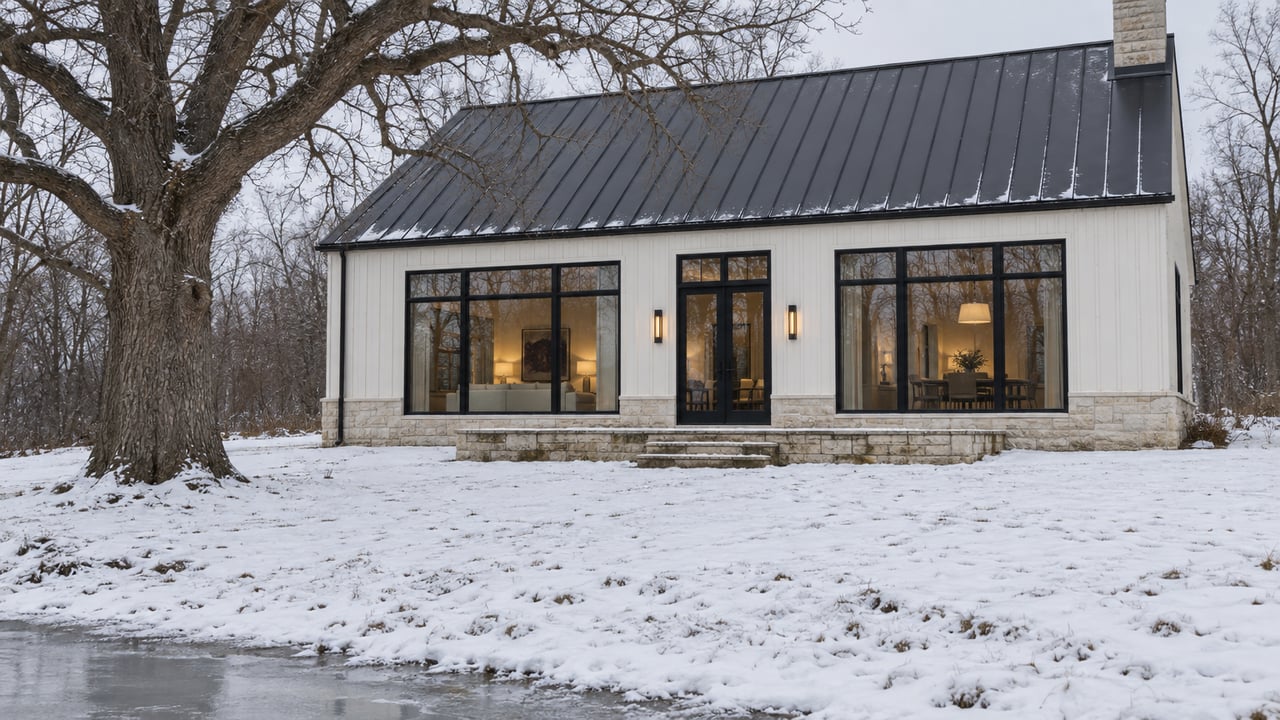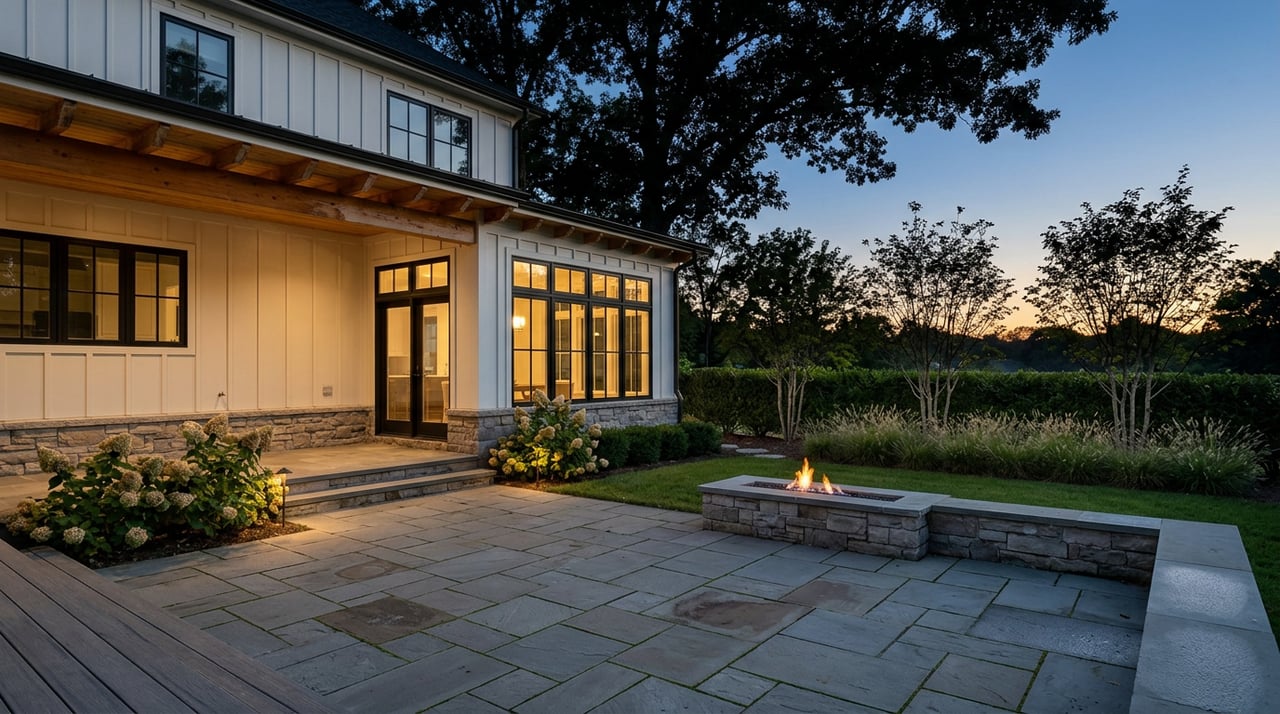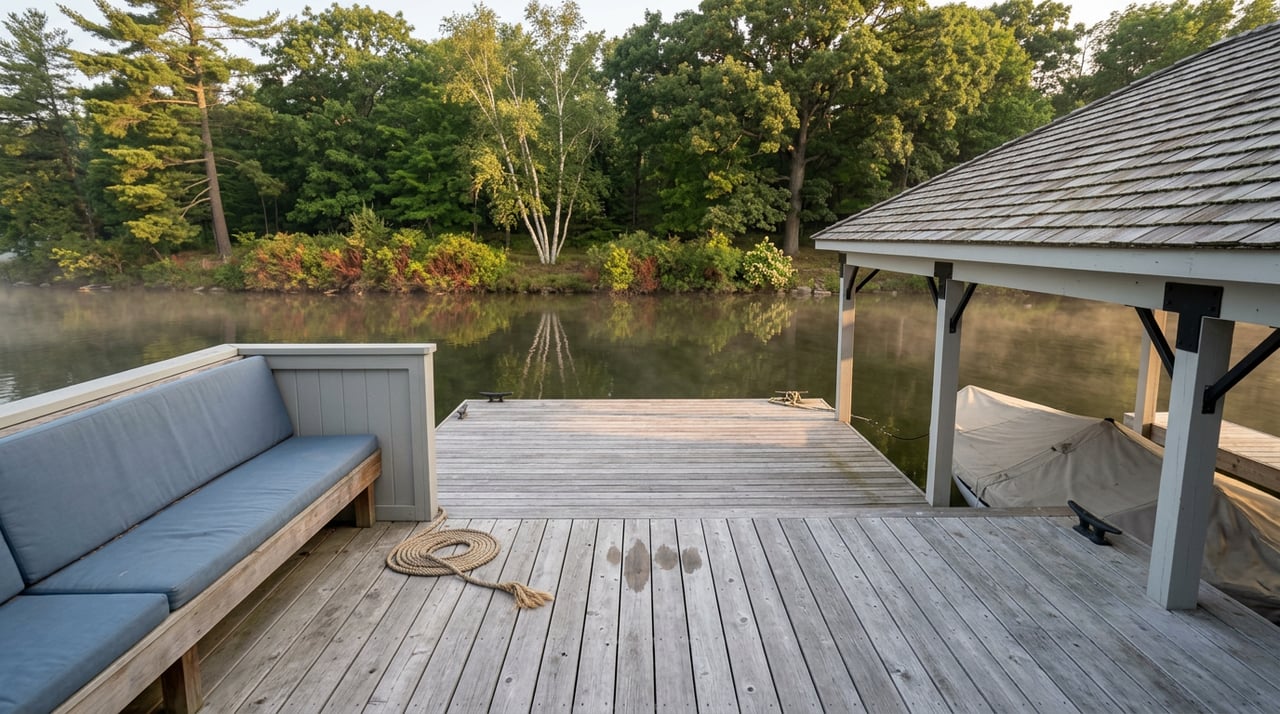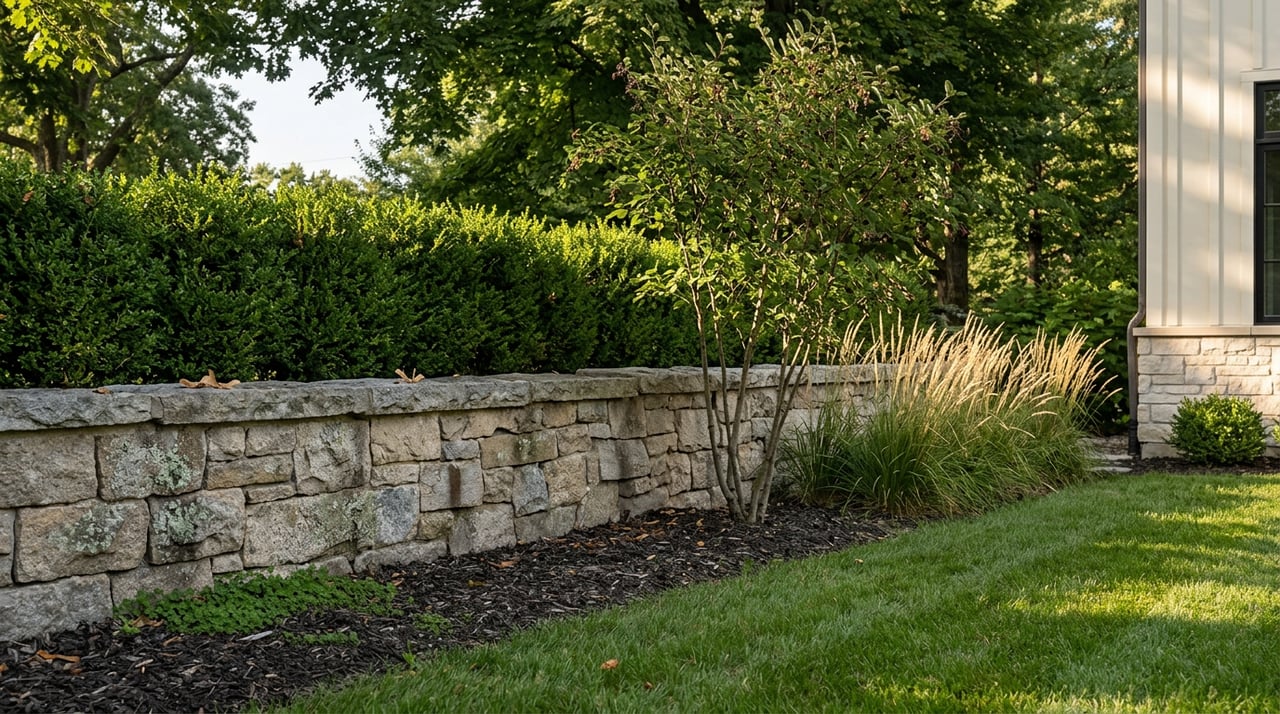
Search "Wayzata home prices" and you'll land on a single figure, somewhere between $812,000 and $828,000 depending on which site you trust. Write that number down. Then spend a Saturday touring five homes across Wayzata and watch it fall apart within the hour.
That number is real. It is also close to useless for almost any individual buyer, because Wayzata does not have one housing market. It has at least four, and they rarely sell to the same person.
What "Median" Is Actually Averaging
As of November 2025, Redfin put Wayzata's median sale price at $828,000, down 2.6% from the year before, with homes taking an average of 107 days to sell, up from 82 days the prior year. Zillow's broader home value estimate, checked this summer, sits close to $812,000, up just 0.6% over the past year.
Neither number distinguishes between a mid-century rambler a few blocks from a Wayzata Highlands bus stop and a legacy estate on Ferndale Road with private lake frontage. Both sales land in the same bucket. Average them together and you get a figure that describes neither one accurately.
Here's the more useful way to read this market: as four separate submarkets that happen to share a school district and a zip code, not one continuous curve.
Four Wayzatas, Not One
| Submarket | Typical Range | What You're Actually Buying |
|---|---|---|
| Estate neighborhoods (Ferndale, Holdridge, Highcroft) | $1.5M to $9M | Half-acre to full-acre lots, homes dating from the 1920s to today, walkable to downtown, mature tree canopy |
| Locust Hills | $3.5M to $6M or more | Gated new construction, HOA-maintained clubhouse and pool, deeded boat slips without direct lake frontage |
| Gleason Lake area | $600K to $2M or more | The relative value entry point, smaller and older housing stock, still inside the Wayzata school boundary |
| Downtown / Promenade corridor | Generally $1M and up for walkable inventory | Condos and townhomes within walking distance of Lake Street, with inventory tied to the Promenade of Wayzata redevelopment on the former Bay Center site |
Layer true lakefront on top of that grid and the numbers move again. Active waterfront listings across Wayzata carried a median list price of $2.45 million as of February 2026, with 34 homes on the market and an average time on market of 121 days. By late March 2026, the narrower pool of true lakeshore listings averaged $5.07 million, at roughly $585 a square foot, for homes averaging just under 5,800 square feet.
A buyer comparing a $650,000 Gleason Lake listing to a $4 million Locust Hills new build isn't reading two points on the same curve. They're comparing two different products that happen to be zoned inside the same city limits.
The Zip Code Trap
There's a second layer of confusion buyers run into before they ever tour a home. Redfin tracks a separate geography called "Plymouth-Wayzata," distinct from the historic city of Wayzata itself. As of February 2026, that area posted a median sale price of $641,000, up 1.4% year over year, with 178 homes sold that month and an average of 56 days on market.
If you've been anchoring a budget to a number you found while searching "Wayzata," there's a real chance you were looking at Plymouth-Wayzata data, a market with more volume, faster turnover, and a price point roughly $200,000 below the historic city's median. The two get lumped together constantly in casual searches. They are not the same market, and treating them as interchangeable is how buyers either overpay for a Plymouth-adjacent home they believed was true Wayzata, or walk away from a genuine Wayzata listing convinced it's priced too high.
Why the Spread Won't Close
This isn't a temporary quirk of a slow season. Wayzata covers a little over 3 square miles, most of it already built out, with a meaningful share of that footprint being water rather than land. Lakefront lots stopped being created decades ago. When a market runs out of room to add supply at one end while a top school district and a walkable downtown keep pulling buyers in at every price point, you don't get convergence toward a mean. You get permanent stratification. The gap between a Gleason Lake rambler and a Ferndale estate is a function of scarcity, not sentiment, and scarcity doesn't average out over time.
The Promenade of Wayzata redevelopment, built on the site of the former Wayzata Bay Center, is a useful marker for how this plays out inside a single submarket. The city's approved development record shows condominiums, senior housing, retail space, and a hotel component added to a corridor that once held a shopping center. New downtown inventory changes the condo submarket's supply story without touching the estate lots a half mile away or the lakefront ecosystem across town. One redevelopment, three submarkets, three completely separate effects on price.
What to Ask Before You Trust Any Comp
If you're comparing Wayzata to another Lake Minnetonka community, or comparing two Wayzata listings to each other, the citywide median is the least useful number in the room. Ask instead:
- Which submarket is this comp actually in? A Ferndale sale and a Gleason Lake sale should never be used to price each other.
- Is this lakefront, near-lake, or land-locked? The gap between those three categories is often wider than the gap between two entirely different suburbs.
- How old is the data? A luxury lakefront closing can carry 120 or more days on market and skew an average, while a near-lake summer sale might close in under two months. Timing changes the read completely.
- Am I looking at the historic city of Wayzata or the Plymouth-Wayzata geography? Confirm the boundary before you anchor a budget to anything you found online.
FAQ
Is Plymouth-Wayzata the same as the city of Wayzata? No. Plymouth-Wayzata is a distinct geography tracked separately in housing data, generally reflecting a different, more affordable price band than the historic city of Wayzata.
Why does a city this small have such a wide price range? Wayzata is just over 3 square miles with most of its shoreline already developed. That physical limit on new lakefront supply, combined with steady demand tied to the school district and a walkable downtown, keeps neighborhoods from converging toward a single average price.
Does a rising or falling citywide median actually tell me anything? Only in the broadest sense. A citywide shift can be driven entirely by which submarket happened to close more sales that month, especially since a handful of luxury lakefront transactions can swing the average on their own.
Ready to See Past the Median?
A single number can't tell you what a specific block, a specific bay, or a specific lot is actually worth. That takes someone who tracks these submarkets individually, closing by closing.
Schedule your personal market consultation with Lynn Reiners and get a read on Wayzata that goes past the headline price to the neighborhood you're actually considering.