Shopping for a home near Lake Minnetonka and keep seeing “lake access” in the listing? It sounds simple, but on this lake it can mean very different things. You want the lake lifestyle without surprises at closing or next summer when you try to use a dock. In this guide, you’ll learn how access types actually work, what permits and rules matter, and what to verify before you write an offer. Let’s dive in.
Why access varies on Lake Minnetonka
Lake Minnetonka sits under several overlapping authorities. The Lake Minnetonka Conservation District (LMCD) regulates docks, buoys, and on-the-water rules specific to this lake. Cities like Wayzata, Orono, Mound, and Minnetrista control local shoreland zoning, setbacks, and parking. The Minnesota DNR sets state boating rules and maintains public water access sites. Hennepin County maintains property records you may need to confirm easements.
The practical result for you: two listings that both say “lake access” can offer very different legal rights and day-to-day usability. Everything from dock placement to wake rules can depend on LMCD permits and local ordinances. When you compare homes in 55391 and nearby bays, plan to verify what the access includes and how you can use it.
Access types at a glance
Understanding the major access categories will help you compare listings accurately.
Private waterfront ownership
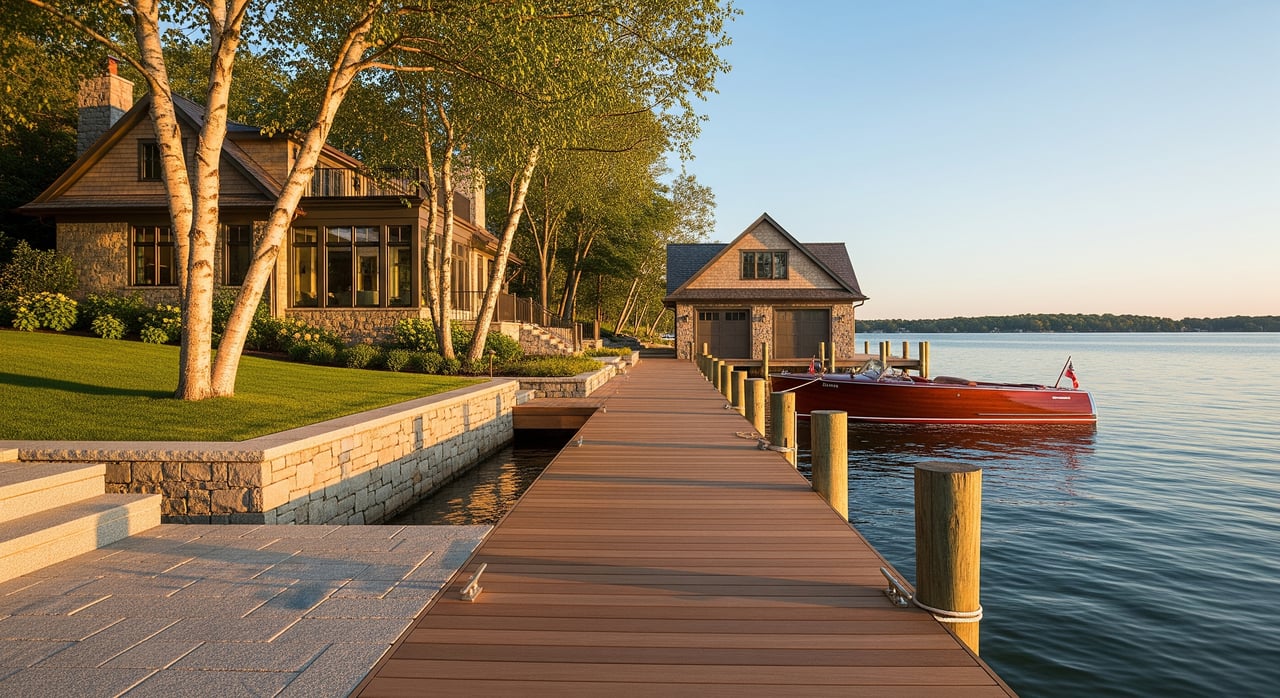
When a property includes shoreline in fee-simple, you have the most direct access and typically the strongest littoral rights. You can usually site a dock, swim from your shore, and control improvements subject to permits.
- What to like: Exclusive dock placement, direct water access, and strong resale appeal.
- What to check: LMCD and city permits for any dock or shoreline work. Shoreline restoration, setbacks, and bluff rules may limit certain projects.
- Tradeoffs: All maintenance and costs are yours. Exposed frontage may see more wake and wind.
Deeded access easements
A recorded easement gives you legal access to the lake across another parcel or to a shared shoreline. Terms vary widely, so the recorded language controls what you can do.
- Common forms: Pedestrian-only paths, vehicular or trailer easements, or a specific dock or slip right.
- What to check: Exact easement language, width, and location on a survey. Confirm whether dock rights are granted and transferable. Some easements are appurtenant to the lot while others are in gross and may not transfer automatically.
- Tradeoffs: Can be a cost-effective way to reach the lake, but physical limits, shared maintenance, and neighbor disputes are possible.
Association or shared access
Many neighborhoods and condos maintain private shoreline facilities for members. These may include community docks, assigned slips, launch racks, or a lakeside park.
- Typical rules: Slips might be assigned by deed, ballot, lottery, or waiting list. Expect annual maintenance fees and possible assessments.
- What to check: CC&Rs and bylaws for slip assignment, transferability with the home, fees, guest use, and any waitlist. Associations often need LMCD permits for docks and must follow LMCD enforcement.
- Tradeoffs: Convenient and often more affordable than owning frontage, but usage depends on association rules and availability.
Public launches and parks
Public boat launches, municipal docks, and beaches provide legal access for everyone, usually with rules and seasonal limits.
- How to find them: Use the Minnesota DNR public water access map to locate launch sites around Lake Minnetonka.
- What to expect: Limited parking for trailers, seasonal crowding, and posted restrictions. Public access does not include private storage or a guaranteed slip.
- Tradeoffs: Great for occasional use, but not a substitute for a private or association slip if you plan to boat frequently.
Channels, bays, and shoreline factors
Where a property sits on the lake shapes daily use, noise, and maintenance.
Channel vs bay vs open lake
- Channels: These narrow connections between bays often have marked navigation lanes and speed or wake limits. They can be shallow in spots and busier during peak season. Some channels limit or prohibit private docks to preserve safe navigation.
- Bays: Typically more protected and popular for docks and mooring. Depth can vary, which may limit larger boats in some bays.
- Open lake: Often deeper water but more exposure to waves and wakes. Docks on exposed points may need heavier construction and more upkeep.
Wakes, congestion, and seasons
Lake Minnetonka sees high recreational use, especially near Wayzata and other hubs in peak season. Expect seasonal congestion and posted no-wake zones in tight areas. If wake exposure is a concern, try to visit on a busy weekend to experience real conditions before you buy.
Docks, buoys, and LMCD permits
LMCD issues lake-specific permits for docks, moorings, buoys, and certain shoreline structures. Before you assume you can add slips or extend a dock, confirm what is allowed and what exists today.
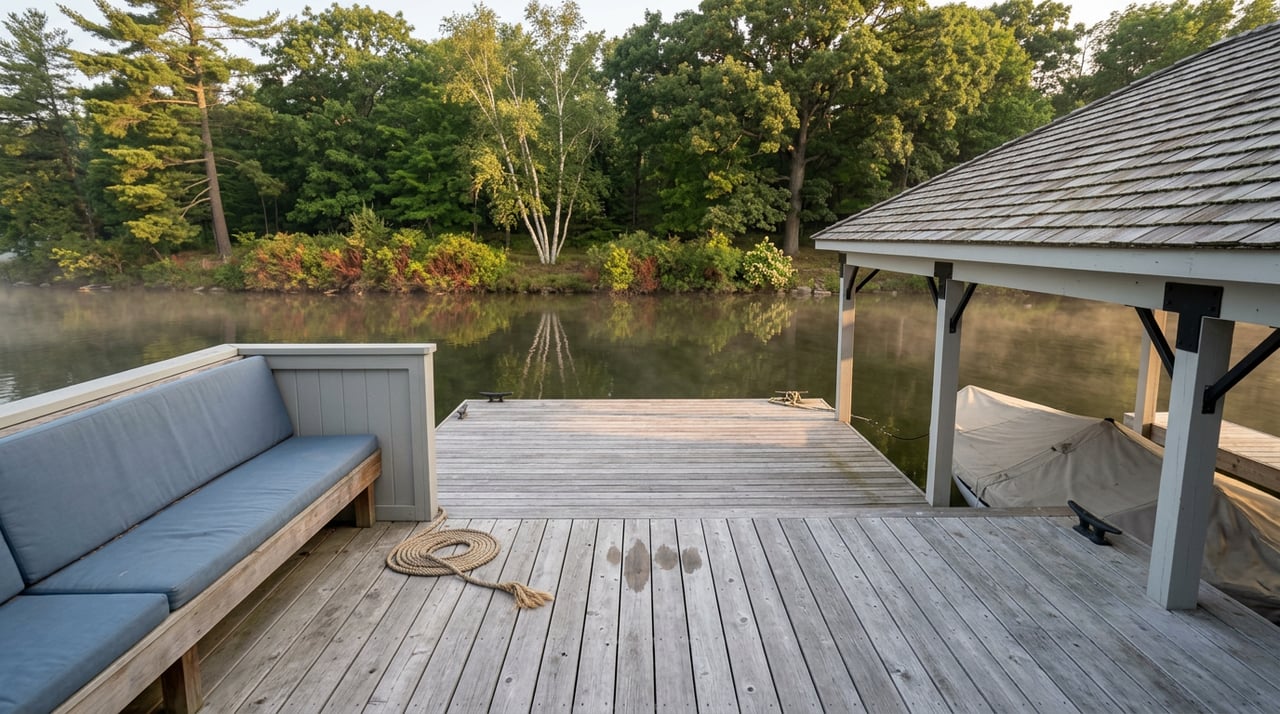
- Start with LMCD dock and mooring permits to understand requirements and approvals.
- Dock placement can be limited by neighbors’ riparian rights, channel clearances, and LMCD limits on the size or number of slips per lot.
- Associations need proper permits too, and transfer rules for slips may be set in the HOA documents.
Shoreline structures and bluff work
Shoreline stabilization, retaining walls, and bluff projects often require permits from LMCD and the city. These improvements can be costly. Ask whether work was permitted and who is responsible for ongoing maintenance.
Water levels and seasonal shifts
Lake levels change during the year, which can affect setback compliance and dock usability. If available, request recent surveys and any elevation certificates to understand seasonal impacts.
Compare two listings like a pro
When two homes near Wayzata both say “lake access,” use this checklist to test what that really means.
Documents to request early
- Recorded deed and legal description to confirm fee-simple shoreline vs easement access.
- Title commitment and exceptions to see all recorded easements and restrictions.
- Recorded easement instruments with exact language on use, width, maintenance, and transfer.
- A recent survey or plot plan showing the easement corridor, dock location, and lot lines.
- LMCD permit history for any dock, buoy, or shoreline work.
- HOA CC&Rs, bylaws, board minutes, and fee schedules for association access.
- City permits or correspondence related to docks or shoreland improvements.
- Seller disclosures about shoreline conditions, erosion, or disputes.
Questions to ask the seller and HOA
- Is access fee-simple, deeded, or association-only? Can you provide the recorded documents?
- If association access: How are slips assigned, are there waitlists, and do slips transfer with the unit? What are annual costs and any upcoming assessments?
- What LMCD or city restrictions affect dock siting, size, or number of slips today?
- Were existing docks or shoreline work permitted, and are there outstanding violations?
- For deeded access: Is the easement appurtenant to the lot and wide enough for your intended use? Can vehicles or trailers use it if needed?
- Are there known disputes with neighbors over dock placement or easement use?
Site visit checklist
- Inspect the physical easement path: width, condition, gates, or obstructions.
- Review the dock’s condition and whether it matches a permitted configuration.
- Check parking near association facilities or public launches, including trailer options.
- Observe channel traffic, noise, and wakes, ideally during a busy time.
- Ask about water depth at the typical dock location and typical seasonal levels.
Who to contact for confirmation
- LMCD staff about permits and current restrictions for the parcel or association.
- City planning or zoning staff in Wayzata, Orono, Mound, or Minnetrista for shoreland rules and setbacks.
- A title company or Minnesota real estate attorney to interpret deed and easement language.
- HOA managers or board members for slip allocation policies and fee history.
- Hennepin County for property records and recorded documents.
Local tips for 55391 buyers
Wayzata and nearby bays are lively in peak season, which can be a plus for amenities and a factor for noise, wakes, and parking. If you want a quieter boating experience, visit listings at different times of day and on weekends. If your dream includes a specific dock setup or slip size, confirm feasibility through LMCD permits and local shoreland rules before you rely on it in your decision.
If you plan to build or significantly renovate, lot selection near Lake Minnetonka requires extra care around shoreland setbacks, slopes, and access type. Get your recorded documents, survey, and permit history together early so you can compare options confidently.
Helpful resources
- Learn about LMCD’s role and lake oversight: the Lake Minnetonka Conservation District.
- Review LMCD dock and mooring permits to understand approvals.
- Find public launches with the Minnesota DNR public water access map.
- Verify recorded documents using the Hennepin County property records search.
Your next best step
The right lake access can elevate your lifestyle and long-term value. The wrong fit can limit boating, add costs, or create friction. If you want a clear plan tailored to your goals in Wayzata, Orono, Mound, or Minnetrista, let’s align access type, permits, and property selection before you tour. Schedule your personal market consultation with Lynn Reiners.
FAQs
What does “deeded lake access” mean for a Wayzata-area home?
- It usually means a recorded easement grants you legal access to the lake across another parcel, but the exact rights depend on the easement language, which controls use, width, maintenance, and whether dock rights are included.
How can I confirm if a Lake Minnetonka dock is permitted?
- Ask for the LMCD permit history and any city permits, then compare the approved configuration to what you see on site or in recent photos and surveys.
Are association boat slips on Lake Minnetonka guaranteed with purchase?
- Not always; some slips convey by deed while others rely on board assignment or waitlists, so you need to review the HOA CC&Rs, bylaws, and current status before you rely on a slip.
Can public launches replace private dock access for regular boating?
- Public launches provide legal access to the water, but they do not include private mooring or storage, and they often have limited parking and seasonal crowding, which reduces convenience for frequent boaters.
Who sets and enforces boating and dock rules on Lake Minnetonka?
- LMCD enforces lake-specific rules and permits, while Minnesota DNR and local peace officers enforce state boating laws and cities enforce shoreland zoning.
What should I review first when comparing two “lake access” listings?
- Start with the recorded deed, any easement instruments, an updated survey, HOA documents if applicable, and LMCD permit history to understand your actual rights and limits before making an offer.