Thinking about living on Lake Minnetonka year-round? You might picture sunrise coffee on the dock and sunset cruises, but what about winter, permits, and practical costs? If you’re exploring the 55391 area and neighboring lake towns, you deserve a clear, local view of how life on the lake really works. In this guide, you’ll learn what each season brings, what to verify before you buy, and how to make the most of lakeside living. Let’s dive in.
A year on Lake Minnetonka
Spring: Ice-out to planting season
When the ice recedes, the lake wakes up fast. You’ll see boats launched, docks reinstalled, and neighbors walking or biking lakeside trails again. It’s a great time to refresh landscaping and plan your first rides around the bays.
Spring also means practical prep. Expect to service engines, inspect lifts and canopies, and clean up shorelines after winter. Water levels can run high during snowmelt, so plan for limited shoreline access until levels normalize.
Stay aware of seasonal rules. Renewal of boat registrations, local launch hours, and aquatic invasive species inspections are common. Clean-drain-dry is the standard for boats and trailers, and some launches use inspection checkpoints during busy weekends.
Summer: Peak lake season
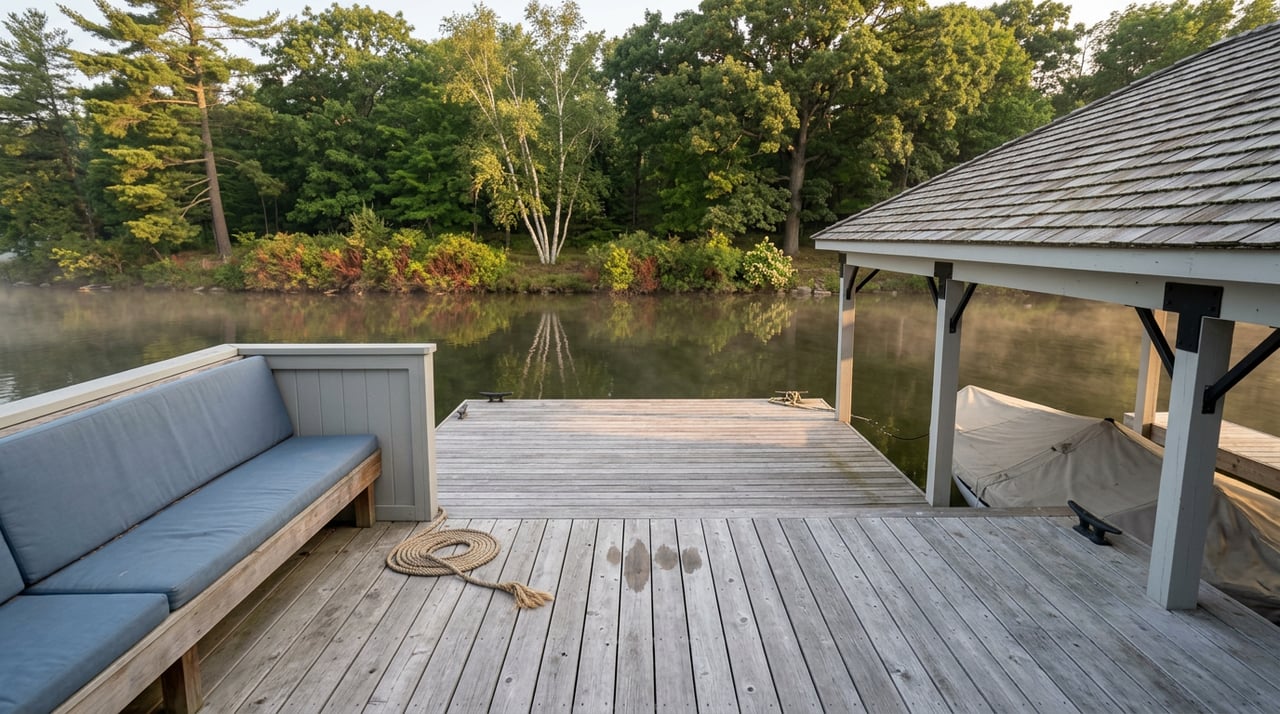
Summer is the show. You’ll enjoy boating, swimming, paddleboarding, sailing, and lively waterfront dining. Popular coves and public accesses get busy, especially on weekends and holidays, so plan guest visits and boat routes accordingly.
Maintenance is steady but manageable. Keep up with engine care, UV covers, and shoreline mowing where allowed. If you don’t have on-site trailer storage, arrange off-site space early. Guest parking can be tight near public accesses, so confirm what your property and street allow.
Fishing is a staple for many residents. With bass, walleye, and panfish in the mix, it’s easy to make a quick morning on the water part of your routine. Always review current regulations before you head out.
Fall: Calm water and winter prep
Fall slows the pace and brings ideal boating days, often with less traffic and stunning colors. Some marinas and waterfront businesses reduce hours as temperatures drop, so check schedules if you have service appointments.
This is also your window to prepare for winter. Many owners schedule dock and lift removal, winterize plumbing and irrigation, service heating systems and chimneys, and secure outdoor furniture. If your property uses a septic system, fall is a sensible time to confirm maintenance and plan any needed service.
If you’re buying or selling, fall can be a sleeper season with motivated parties on both sides. Activity tapers once bays start freezing, but quality opportunities still surface.
Winter: A different kind of lake life
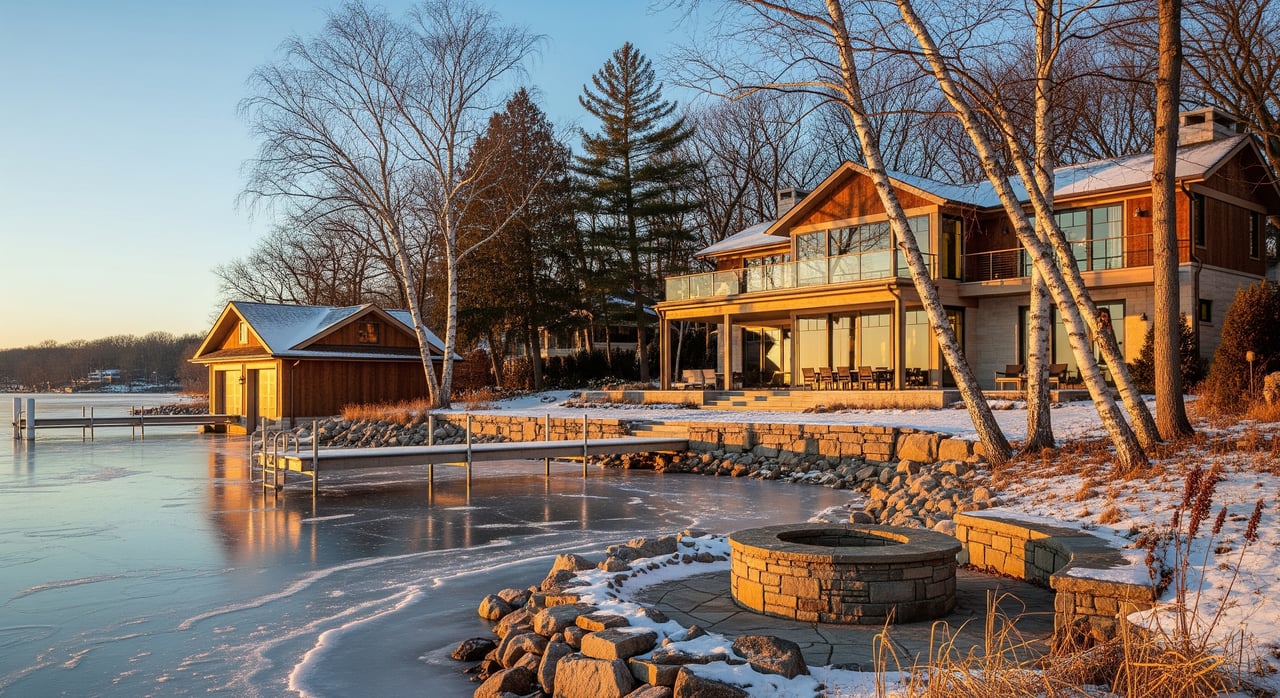
Winter transforms the lake into a playground for ice fishing, skating, cross-country skiing, and fat-biking. Some towns keep a lively winter rhythm with cabinside dining, community events, and neighborhood gatherings. Social life shifts indoors, and the views are serene.
Safety and maintenance move to the forefront. Ice thickness varies by bay and weather, so always check local reports before going out. Plan for regular snow removal, monitor for ice dams, and keep heating systems reliable. Many owners store boats off-site and schedule annual service before deep freeze.
Utility needs change, too. Expect higher heating bills and take steps to prevent frozen pipes. Even if a property is used seasonally, most owners keep a steady baseline heat to protect plumbing and finishes.
What to know before you buy
Property and insurance costs
Lakeshore homes typically command a premium over similar inland properties. Insurance can also run higher, especially if you add umbrella liability for docks and boating. Elevation, shoreline erosion risk, and floodplain status influence both pricing and insurability. When you’re under contract, review county floodplain maps and request any available elevation certificates.
Septic, sewer, and essential services
Some lake homes connect to municipal sewer, while others rely on private septic systems. Septic age, maintenance records, and compliance with setbacks are critical checks during due diligence. Also confirm winter services like snowplowing and trash schedules, which can differ for lakeside roads compared with nearby suburbs.
Docks, lifts, and shoreline work
Dock size and placement, as well as lifts, can be subject to local and lakewide rules. Shoreline stabilization, like riprap or seawalls, often requires additional approvals. If you’re planning a remodel or boathouse addition, verify shoreland zoning and setbacks before you sign a construction contract. Permit timelines matter for scheduling.
Aquatic invasive species protocols
Lake Minnetonka has active AIS prevention. Expect clean-drain-dry protocols and, at times, inspection stops for public launches. If you own multiple boats or host frequent guests, factor in logistics and inspection timing during peak season.
Commuting and transit
Proximity to the Minneapolis metro is a top draw. Commute times vary by town, time of day, and season, and most residents rely on private vehicles. Some communities offer express bus options to nearby employment hubs, so check local transit providers if that’s important for your routine.
Market timing and showing season
Waterfront listings tend to attract surge interest in spring and summer when it’s easy to show docks and water access. Expect more competition then. Winter can bring fewer buyers but also fewer listings, which sometimes creates opportunity if you’re ready to move decisively.
Neighborhood and community life in 55391
Connected lake towns
Lake Minnetonka touches several Hennepin County communities, including Wayzata, Minnetonka Beach, Deephaven, Tonka Bay, Excelsior, Mound, Shorewood, and Orono. Each bay and neighborhood feels a little different, from active marinas and walkable downtowns to quieter coves with deep residential roots. Municipal boundaries determine your services and rules, so confirm details for any specific address during your search.
Schools and youth programs
Lake-area homes are served by multiple school districts. Assignment depends on address, so confirm boundaries with the appropriate district. Families often plug into local programming like youth sailing, summer camps, parks and trails, and community sports.
Marinas, boat services, and storage
The lake supports several marinas and boatyards with slips, fuel, repairs, and winter storage. Availability and pricing vary across the lake. At popular facilities, you may encounter waitlists for seasonal slips. If a guaranteed slip is essential, research options or confirm any deeded or leased slip rights tied to the property before you buy.
Local events and everyday convenience
Wayzata and Excelsior anchor much of the lake’s dining and boutique shopping, with seasonal events, farmers markets, and holiday activities. Medical services and urgent care are available in nearby municipalities. For water or ice incidents, local fire, rescue, and sheriff departments handle emergency calls, with response times dependent on location and weather.
Stewardship and volunteer options
Local organizations coordinate water quality monitoring, shoreline restoration, and volunteer cleanups. If you enjoy giving back, there are meaningful ways to support the lake you live on while meeting neighbors and learning from longtime residents.
Quick buyer checklist
- Confirm sewer or septic and request recent inspection and maintenance records.
- Verify dock ownership or control: private, deeded, association, or leased.
- Ask about local permit requirements for docks, lifts, riprap, additions, or remodels.
- Review historical ice-out and ice-in patterns for your bay when possible.
- Understand AIS protocols and how they impact your launch and cleaning routine.
- Estimate seasonal costs: insurance, heating, boat storage, dock install/removal.
- Check municipal services for winter snow removal and trash pickup.
- Identify nearby public access points, marinas, and guest parking options.
- Learn local noise, wake, and no-wake rules for your immediate area.
How a local advisor helps
Buying on Lake Minnetonka involves more than the home itself. You’re also considering shoreline rules, dock rights, septic systems, and seasonal realities that affect daily life. A local advisor helps you gather records, coordinate expert inspections, and time your move around the lake’s rhythms.
Working with a Wayzata-based, lake-focused advisor gives you an edge. From deeded slip nuances to permit timelines and trusted vendor referrals, you get practical guidance at every step. If you’re exploring new construction, dedicated support on lot selection and build planning can save time and reduce risk.
When you’re ready to talk your goals, market timing, and next steps, connect with Lynn Reiners for a personal consultation.
FAQs
What does year-round living on Lake Minnetonka look like?
- Expect active summers with boating and lakeside dining, quieter fall prep, winter recreation on the ice, and spring ramp-up with dock installation and launch season.
How do dock rights work for Lake Minnetonka homes?
- Ownership or control varies by property: private, deeded, association, or leased. Always verify in writing and review any size, placement, and permitting rules before closing.
Are septic systems common around the lake?
- Many shoreline homes use private septic systems, while others are on municipal sewer. Confirm system age, service history, and compliance during inspections.
What should I budget for beyond the purchase price?
- Plan for potentially higher insurance, dock install/removal, boat storage and service, shoreline maintenance, and seasonal utilities like winter heating.
How busy does the lake get in summer?
- Popular bays and public accesses can be congested on weekends and holidays. Plan guest parking, launch times, and boat routes to avoid peak traffic when possible.
Is winter living on the lake practical?
- Yes, with preparation. Keep heating reliable, manage snow removal, and follow local ice safety guidance. Many residents enjoy a full winter season of outdoor activities.
How competitive is the market and when should I shop?
- Spring and summer bring more listings and more competition. Winter can offer fewer buyers but also fewer options. Your timing depends on goals, budget, and desired bay or town.