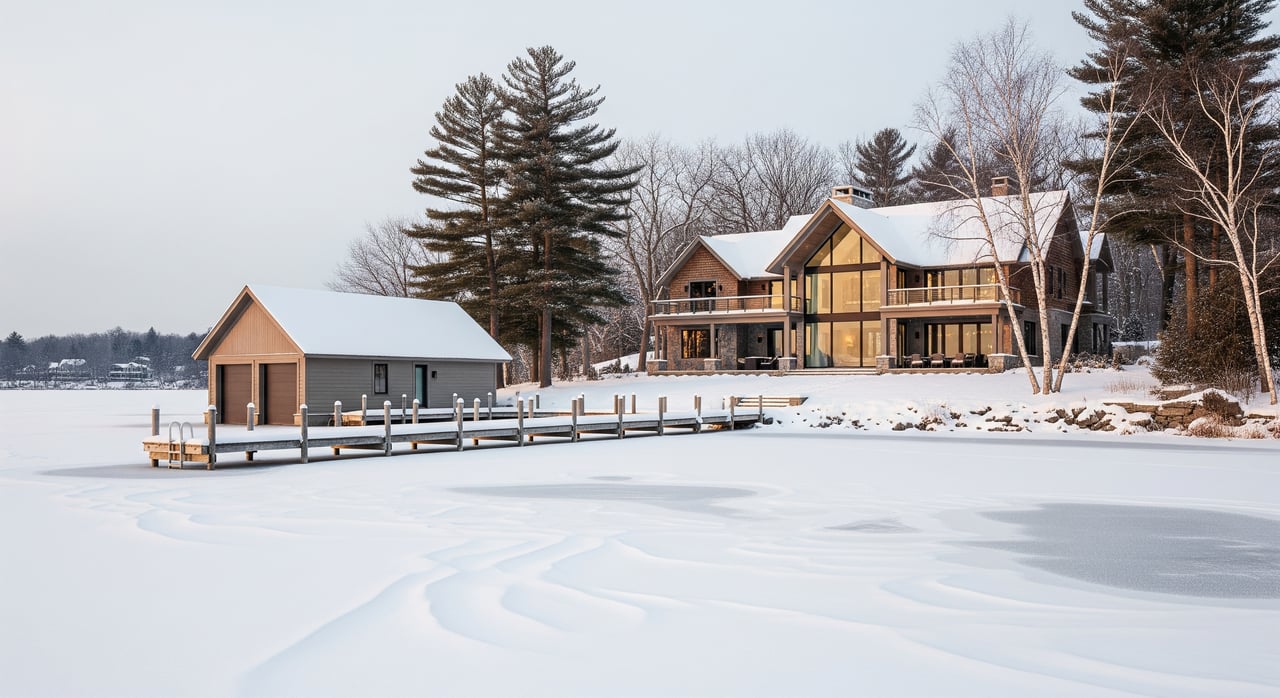
Thinking about buying on Lake Minnetonka this winter? You are not alone. While most people wait for spring, Q1 can offer less competition and motivated sellers. The tradeoff is simple: snow and ice hide a lot. In this guide, you will learn how winter impacts showings, inspections, appraisals, and negotiations, plus practical tactics to protect your interests and keep your purchase on track. Let’s dive in.
Winter market dynamics in Lake Minnetonka
Lakefront and recreational homes around Lake Minnetonka are highly seasonal. The peak listing and showing period is late spring through summer, which means winter often brings fewer new listings and fewer showings. With less competition, you may find more negotiating room with motivated sellers. At the same time, you will be working with fewer recent comparable sales, so pricing and valuation can feel less certain.
What winter sellers signal
Sellers who list in winter often have timing reasons, like a relocation or a move tied to tax or job changes. Some are cautious on pricing because waterfront features are harder to showcase when the lake is frozen. If you buy in Q1, plan for unknowns you cannot fully see now, such as shoreline condition, dock and boat-lift condition, or landscaping.
Timing and local rules to verify
Lake Minnetonka spans multiple cities, including Wayzata, Orono, Minnetrista, Mound, Spring Park, Tonka Bay, and Excelsior. Shoreland ordinances, dock rules, and permits differ by municipality. Before you write an offer, review Hennepin County property records and the specific city’s planning or building department for permit history. Also consider floodplain and shoreland zoning, and confirm insurability and estimated premiums with your insurer.
Showings and access in snow
Winter changes how you tour a property. Snow and ice can obscure roofs, siding, decks, and shoreline features. Docks and lifts are often removed or wrapped, so you may not see them in place. Reduced daylight means interior lighting matters more, and it is reasonable to ask that heat and basic utilities stay on for showings and inspections.
Safety is also part of winter showings. Ice increases slip risk, and showings may be delayed if access is unsafe. Wear firm footwear, use handrails, and plan for shorter daytime windows to see the home clearly.
How to set winter showings up for success
- Schedule showings during daylight when possible and plan for a second visit if conditions improve.
- Ask the seller for recent late-spring or summer photos that show shoreline, dock setup, and landscaping.
- Request the seller to demonstrate key systems during the showing, like running hot water, confirming water pressure, and showing the furnace operating.
- Ask that paths to entries and relevant waterfront access points be cleared and salted where it is safe to do so.
Inspections in winter: limits and fixes
Winter does not stop inspections, but it does change what can be evaluated. Expect your inspector to explain any limitations clearly and to document items for later follow-up.
- Roof, gutters, and attic: Snow can hide shingles, flashing, and signs of ice dams. Attic checks are still useful, but stains may not be active.
- Exterior and shoreline: Siding, decks, retaining walls, seawalls, and shoreline erosion can be hidden by snow and ice. Many dock structures are stored off-site.
- Septic systems: Frozen ground can limit testing and pumping. Some inspections can proceed with noted limitations.
- Wells and water quality: Tests are possible in winter, but very cold weather can complicate sampling and shipping. Confirm lab protocols.
- HVAC and mechanicals: Furnaces can be tested year-round. Air conditioning and seasonal equipment cannot be fully tested.
- Basements and crawlspaces: Frozen ground can mask water intrusion. A dry winter inspection does not guarantee a dry spring.
Tactics that protect your interests
- Post-thaw inspection rights: Add a clause that allows an exterior or waterfront re-inspection once snow melts or after ice-out, with a clear timeframe and remedy options.
- Escrow holdback: Negotiate an amount to be held in escrow at closing to cover repairs if post-thaw issues arise.
- Seller documentation: Request maintenance records for the furnace, water heater, septic, dock and lift service, plus summer photos of the shoreline and dock.
- Local specialists: Hire inspectors who regularly evaluate Lake Minnetonka waterfront homes in winter. They will note what could not be inspected and recommend next steps.
Sample clause language to discuss
- Utility clause: “Seller shall maintain heating, electricity, and water to the property through the inspection period and closing to permit testing of mechanicals and water sampling.”
- Post-thaw inspection clause: “Buyer has the right to a limited exterior/waterfront inspection within X days after ice-out/thaw; if substantial defects are identified, buyer may request repairs or escrowed funds up to $Y or cancel per contingency.”
- Escrow holdback clause: “Seller shall escrow $Z at closing to be released upon completion of agreed post-thaw repairs or upon waiver by Buyer.”
Work with your agent and a local real estate attorney to tailor these provisions to Minnesota standard forms and lender requirements.
Appraisals in winter: what to expect
Appraisers lean on recent comparable sales to support value. Around Lake Minnetonka, most sales close in spring and summer, so winter often provides fewer fresh comps. That can increase reliance on older or broader comps and raises the chance of value variance.
Seasonal amenities also matter. Docks, beaches, and views are worth real dollars, but they are harder to evaluate when the lake is frozen and equipment is stored. Appraisers commonly account for seasonality, but you can help them see the full picture.
How you can support the appraisal
- Provide summer photos and seller documentation for docks, lifts, and shoreline work.
- Share your agent’s comparative market analysis and any relevant seasonal sales that reflect similar waterfront features.
- Ask the listing agent to provide their list of comps and market activity that supports your offer.
- If the appraisal comes in low due to seasonality, request a review with additional comps or negotiate concessions to bridge the gap. Lenders have formal review processes.
Negotiation plays for Q1 buyers
Winter can give you more negotiating room, but you will be balancing unknowns that cannot be fully verified until thaw. Use terms that protect you without pushing a seller away.
- Inspection contingency plus post-thaw re-inspection: Reserve the right to re-check exterior and waterfront items and to renegotiate repairs or credits if significant issues are found.
- Escrow holdback: Propose a reasonable escrow reserve to cover post-thaw repairs.
- Seller-paid service documentation: Require current maintenance and service records for mechanicals and waterfront equipment.
- As-is with informational inspection: If competition is tight, you may offer as-is while still completing an inspection for information. Proceed only if you are comfortable with the risk and have protective clauses in place.
- Flexible timing: If you want to see conditions in better weather, discuss a spring closing or a post-thaw inspection window pre-closing. Some sellers may prefer a faster close, so weigh tradeoffs.
- Insurance and permits: Confirm flood and shoreland insurance availability and costs, and verify permit history for docks, boathouses, seawalls, and additions with the county and the local city.
Buyer checklist: from offer to close
Pre-offer
- Review Hennepin County property records and tax and permit history.
- Ask for seller maintenance logs and late-spring or summer photos of shoreline and dock.
- Discuss floodplain and shoreland zoning with your insurer and confirm preliminary premiums.
Offer stage
- Include a utility-on clause and a standard inspection contingency.
- Add a post-thaw re-inspection or escrow holdback clause with clear timelines and dollar limits.
- Identify specialist inspections you will need once conditions allow.
Inspection stage
- Hire a home inspector with Lake Minnetonka experience.
- Consider specialists for dock, seawall, and septic or well, recognizing that some tests may be limited in winter.
- Document all items that could not be inspected and set follow-up steps.
Appraisal stage
- Provide summer photos, maintenance records, and relevant comps to the appraiser.
- Be prepared to request a review or negotiate concessions if value comes in low due to seasonal factors.
Pre-closing
- Confirm insurance coverage, including any flood or shoreland endorsements.
- Verify HOA or lake association rules that affect docks, lifts, or shoreline use.
- Plan final walkthrough timing, and confirm access and utilities are on.
Local insight matters
Buying a Lake Minnetonka home in winter is doable and often advantageous. You just need the right plan. With fewer competing buyers and motivated sellers, you can secure a great property while using smart protections to manage seasonal unknowns. An advisor who knows the shoreline rules, municipal differences, and the rhythms of the lake can help you evaluate risk, frame the right offer terms, and set up post-thaw checks without losing momentum.
If you want a local partner who pairs neighborhood knowledge with steady negotiation and clear communication, connect with Lynn Reiners to walk your winter purchase from search to close with confidence.
FAQs
Are winter inspections reliable for Lake Minnetonka homes?
- Yes, for interior systems and structure, but snow and ice limit roof, exterior, and shoreline review. Expect documented limitations and plan a post-thaw follow-up.
Will my appraisal be lower if I buy in winter?
- Appraisals can be harder due to fewer recent comps and hidden seasonal amenities. You can help by providing summer photos, relevant comps, and maintenance records.
Should I wait until spring to buy a lake home?
- Not necessarily. Winter often means less competition and more flexibility. Use contingencies, post-thaw inspections, and escrow holdbacks to manage unknowns.
How can I verify dock and seawall condition when they are stored?
- Request recent service records and summer photos, and add a clause for a post-thaw specialist inspection or escrow to cover potential repairs.
Can wells and septic systems be evaluated in freezing weather?
- Many tests are possible in winter, though some may be limited. Use contingencies and plan for follow-up testing once conditions allow.