Thinking about trading a city address for more water, more space, and a different daily rhythm? If you live in Minneapolis and feel pulled toward Lake Minnetonka, you are not alone. The move can offer a major lifestyle upgrade, but it also comes with real choices about commute, budget, home style, and how close you truly want to be to the lake. Let’s dive in.
Why Lake Minnetonka feels different
Lake Minnetonka is not just one town. It is a lake corridor that spans 14 municipalities and two counties, with a mix of communities that each feel a little different from the next. The lake itself is also a defining feature of the region, with more than 14,000 acres, 125 miles of shoreline, and 20 bridges.
For many Minneapolis buyers, Wayzata is the easiest starting point. It sits at the northeast tip of Lake Minnetonka and is about 11 miles west of downtown Minneapolis. The city is known for its lakeside setting, downtown business district, dining, and public spaces that keep the lake at the center of daily life.
That broader context matters when you relocate. You are not simply choosing “the lake.” You are choosing a specific community, a home style, a commute pattern, and a version of lake living that fits your routine.
What changes when you leave Minneapolis
A move from Minneapolis to the Lake Minnetonka area often shifts more than your address. Your home search may start to focus less on city block-by-block tradeoffs and more on how you want to live day to day.
You may want a walkable setting near shops and restaurants. You may want a larger lot, more privacy, or room for a custom build. You may also be deciding whether lake access is enough, or whether you want direct waterfront ownership with all the responsibilities that come with it.
That is why relocation planning works best when you think beyond square footage. The right fit usually comes from balancing lifestyle, price point, and travel time instead of chasing only one factor.
Commute realities from the lake area
If you still commute into Minneapolis, distance is only part of the story. Current road work can shape your experience just as much as the map does. As of spring 2026, MnDOT reports active work on I-394/I-94 between downtown Minneapolis and Highway 100 through fall 2026, plus a separate Highway 12 project between Wayzata and Minnetonka through November 2026.
In practical terms, that means your drive can be affected by lane restrictions and construction timing. If you expect to be in Minneapolis several days a week, it helps to look closely at which route you will actually use rather than relying on a simple mileage estimate.
Transit is available in parts of the corridor, but road access remains important for many households. Metro Transit reports that Route 645 serves Mound, Spring Park, Minnetonka Beach, Orono, Wayzata, Minnetonka, St. Louis Park, and downtown Minneapolis, and the Mound Transit Center also lists Route 677 to downtown Minneapolis.
Resident commute averages can help set expectations. ACS 2024 5-year profiles show mean travel times to work of 21.8 minutes in 55391, 25.5 minutes in 55331, and 29.2 minutes in 55364. These are averages, not guarantees, but they do suggest that commute times often increase as you move farther west from Minneapolis.
Housing options are more varied than many buyers expect
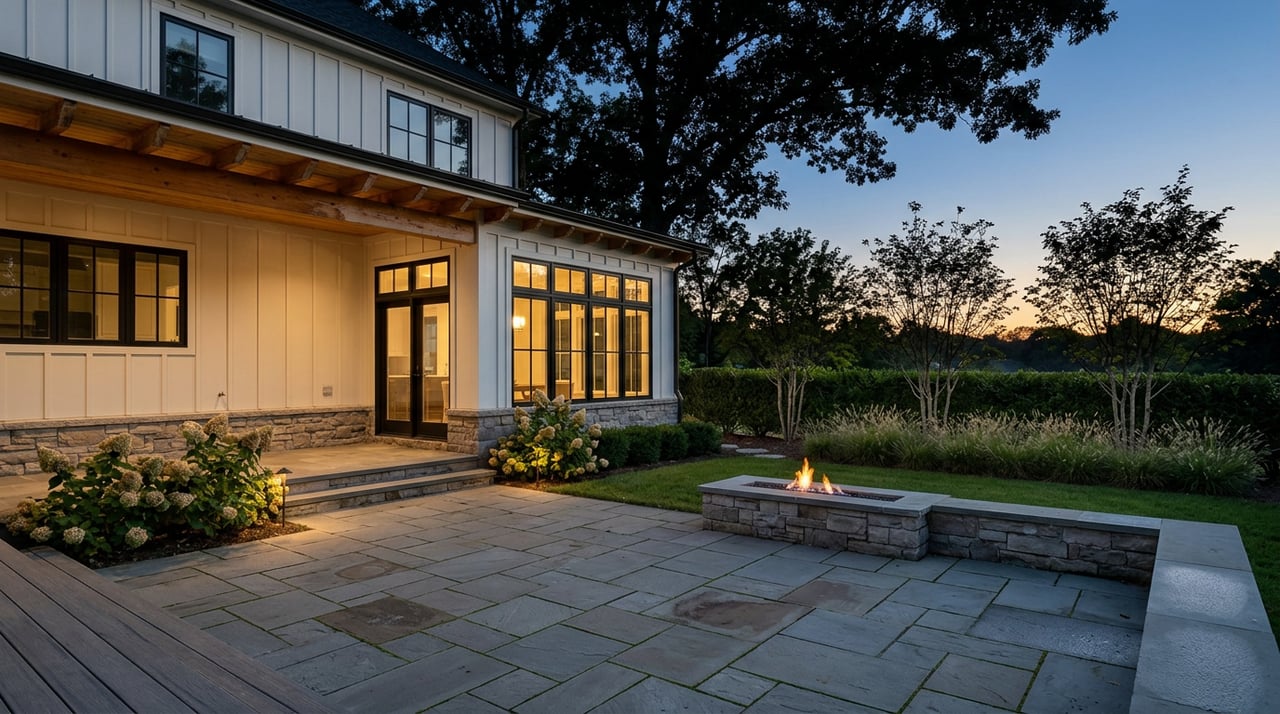
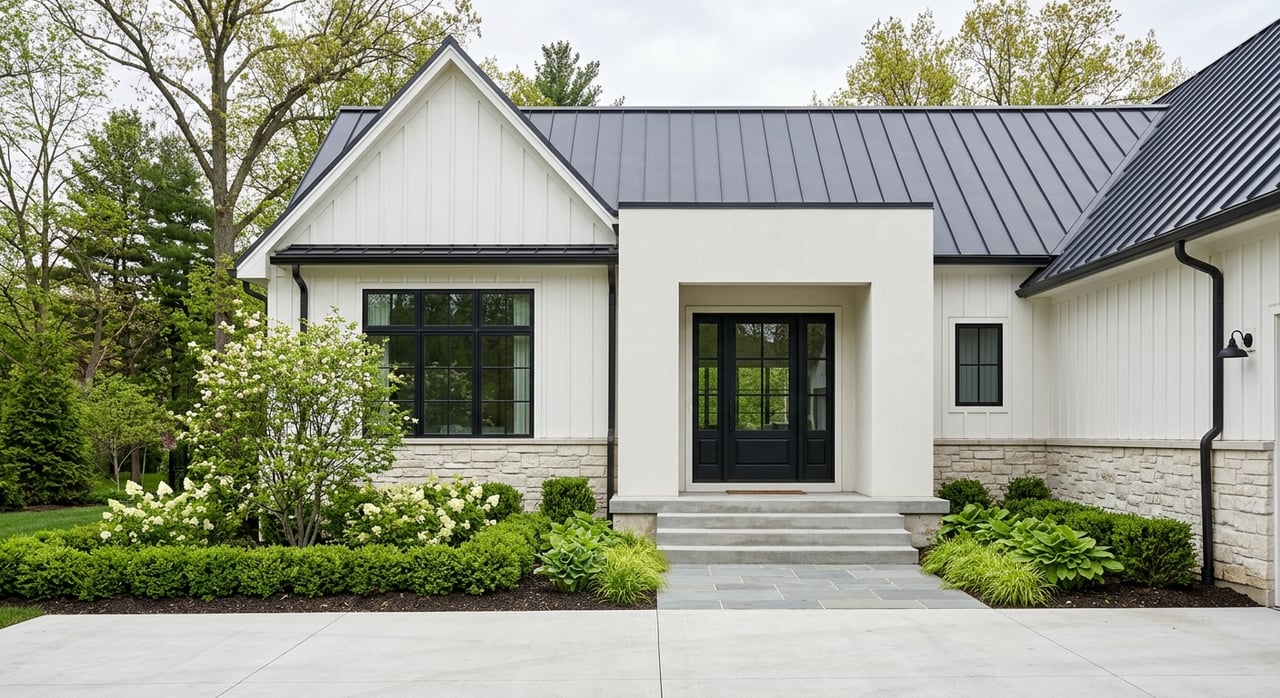
One of the biggest surprises for Minneapolis movers is that the Lake Minnetonka area is not a one-style market. You will find village-oriented areas, neighborhoods with traditional single-family homes, condos and townhomes, apartments, and larger-lot custom or estate settings.
Wayzata’s planning documents describe a mix of single-family homes, apartments, condominiums, townhomes, and senior housing. They also note that residential development ranges from apartments to single-family homes on lots of one acre or more. That range gives you more flexibility than many first-time lake-area buyers expect.
Orono adds another layer. Its housing plan explains that much of the housing stock was built as custom housing rather than tract housing, and that value is closely tied to location relative to the lakeshore. In Wayzata, city planning documents also note that land values have risen as the city has built out and proximity to the lake has pushed values higher.
What pricing can look like
Your budget may stretch very differently depending on where you focus your search. A practical snapshot comes from ACS median values for owner-occupied homes.
| ZIP code | ACS median owner-occupied home value |
|---|---|
| 55391 | $923,400 |
| 55331 | $737,000 |
| 55364 | $459,400 |
Used together, those figures suggest a clear pricing gradient across the corridor. Closer-in lake ZIP codes tend to carry a notable premium, while areas farther west may offer more space or a different value proposition.
That does not mean one area is automatically better than another. It means you should be honest about what matters most to you: proximity to Minneapolis, walkability, lot size, access to the lake, home condition, or long-term customization potential.
Waterfront or near-lake living?
This is often the biggest decision in a Minneapolis-to-lake move. Many buyers are drawn to the idea of waterfront living, but the day-to-day reality can be very different from simply enjoying lake views nearby.
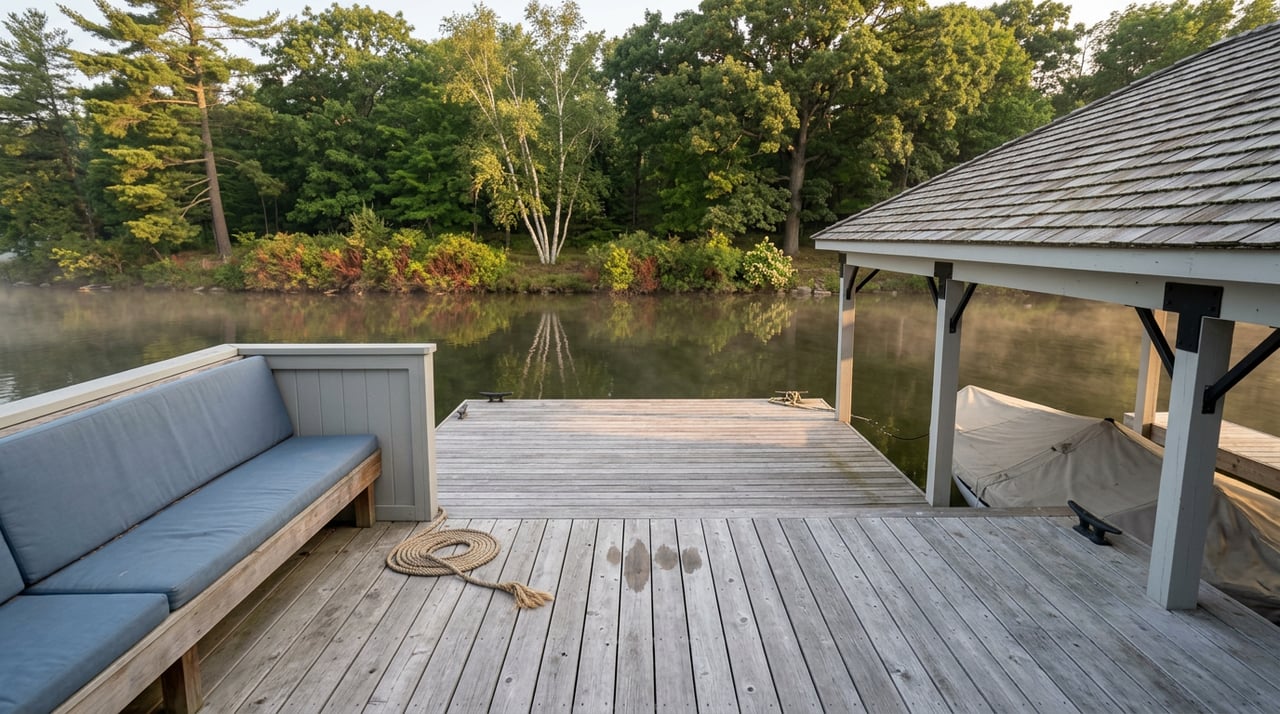
On the upside, direct waterfront access can bring boating convenience, stronger connection to the lake, and a true four-season experience. Wayzata highlights year-round activity on and around the lake, including dining, views, winter ice racers, skaters, and ice-fishing houses.
At the same time, waterfront ownership is not just about scenery. The Lake Minnetonka Conservation District says docks, structures, and watercraft must fit within an authorized dock-use area, and certain work requires permits. The district also notes that owners should plan for water-level fluctuations, shoreline issues, and dock-related maintenance.
LMCD rules also shape how you use the water. Wake rules include a 300-foot no-wake buffer and a 5 mph limit near shore, docks, anchored boats, swimmers, and warning flags. For buyers, that means the lake lifestyle includes both access and regulation.
For some households, near-lake living is the better fit. You can still enjoy the area’s restaurants, public spaces, and water-centered setting without taking on full shoreline responsibility. That balance can be especially attractive if you want lake lifestyle benefits with fewer maintenance demands.
Questions to answer before you move
Before you narrow your search, it helps to get specific about your priorities. A few clear answers can save you time and help you avoid looking in the wrong part of the corridor.
Consider these questions:
- How many days each week will you commute, and to which part of Minneapolis or the west metro?
- Do you want direct waterfront access, or would near-lake access be enough?
- Are you looking for a dock, boat storage, or just proximity to the water?
- Do you prefer a village setting, a larger lot, or a newer home?
- How much maintenance are you willing to handle for landscaping, snow, shoreline, or dock issues?
- Does walkability matter more to you than yard size and privacy?
- Does a particular school district need to be part of your address decision?
- Would you prefer a turnkey home, a renovation opportunity, or a teardown and rebuild?
These questions are simple, but they can quickly reveal whether you should focus on a close-in community like Wayzata, a custom-home setting like parts of Orono, or a farther-west option that may offer more house for the money.
Why local guidance matters in this move
Relocating from Minneapolis to the Lake Minnetonka area sounds straightforward until you get into the details. Two homes may be similar in size and price but offer very different commute patterns, maintenance needs, redevelopment potential, and day-to-day lifestyle.
That is where local context becomes valuable. A neighborhood-rooted advisor can help you compare tradeoffs clearly, identify which parts of the corridor align with your goals, and decide whether resale, lakefront, or new construction makes the most sense for your next move.
If you are considering a move from Minneapolis to Wayzata, Orono, Mound, Minnetrista, Medina, or nearby Lake Minnetonka communities, personalized guidance can make the process feel much more manageable. To talk through your timing, priorities, and best-fit options, schedule your personal market consultation with Lynn Reiners.
FAQs
What is the Lake Minnetonka area for Minneapolis movers?
- The Lake Minnetonka area is a multi-community lake corridor that spans 14 municipalities and two counties, rather than one single suburb.
How far is Wayzata from downtown Minneapolis?
- Wayzata is about 11 miles west of downtown Minneapolis, according to the city.
What should Minneapolis buyers know about commuting to Lake Minnetonka?
- Commute time depends on both location and current road conditions, and active MnDOT projects on I-394/I-94 and Highway 12 may affect travel through fall 2026.
Are there transit options from Lake Minnetonka to Minneapolis?
- Yes. Metro Transit reports that Route 645 serves several Lake Minnetonka communities and downtown Minneapolis, and the Mound Transit Center also lists Route 677 to downtown Minneapolis.
What kinds of homes can you find near Lake Minnetonka?
- Housing options include single-family homes, condos, townhomes, apartments, larger-lot custom homes, and estate-style properties, depending on the community.
Is waterfront living on Lake Minnetonka different from near-lake living?
- Yes. Waterfront ownership can offer direct lake access, but it also comes with added regulations, dock considerations, shoreline maintenance, and water-level planning.
How do home values compare across the Lake Minnetonka corridor?
- ACS 2024 5-year data shows median owner-occupied home values of $923,400 in 55391, $737,000 in 55331, and $459,400 in 55364, suggesting a premium in closer-in lake ZIP codes.